
The Char Dham Yatra is four temples, one loop, and a decision about how many days you can honestly give it. From Haridwar the standard circuit — Yamunotri, Gangotri, Kedarnath, Badrinath — covers about 1,350 km by road and 22 km on foot, and the shortest version that is not miserable is nine days. Seven days works only if you fly to Kedarnath. Eleven days is what most families and anyone over 60 should actually book.
This guide breaks the circuit into legs with real distances and driving times, gives day-by-day plans for 7, 9 and 11 days, and names where each version breaks. It is written for the 2027 season, so it also covers the dates you are still waiting on and the order to book things in.
Quick answer: Plan nine days and eight nights by road from Haridwar — Yamunotri on day 2, Gangotri on day 3, Kedarnath on day 5, Badrinath on day 7, home on day 9. Add two days for a relaxed pace, or take two off with a helicopter at Kedarnath. In 2027 the season starts on 9 May (Akshaya Tritiya) for Yamunotri and Gangotri; Kedarnath’s date is announced on 6 March 2027 and Badrinath’s on 11 February 2027.
Last verified: 2 November 2026, against the Badrinath-Kedarnath Temple Committee’s closing-date announcement, the Uttarakhand Tourism registration portal, the IRCTC HeliYatra portal, and the road distances in this site’s four dham guides.
Char Dham Yatra 2027 at a glance
Three plans cover almost everyone. They differ less in distance than in how many nights you spend in a bed rather than a car.
| Plan | Days | Road distance | Trekking | Who it suits | Verdict |
|---|---|---|---|---|---|
| Fast loop | 7 days, 6 nights | ~1,350 km | 6 km at Yamunotri, helicopter at Kedarnath | Fit travellers with fixed leave and a heli budget | Works, but every day is a transfer day and one landslide costs a dham |
| Standard loop | 9 days, 8 nights | ~1,350 km | 22 km — 6 km Yamunotri, 16 km Kedarnath | Most first-timers, couples, groups under 60 | The best balance of cost, comfort and buffer |
| Relaxed loop | 11 days, 10 nights | ~1,350 km | 22 km, pony or palki optional | Families, pilgrims over 60, monsoon travel | What a doctor would recommend, at the cost of a week of hotels |
All three assume a Haridwar or Rishikesh start. From Delhi, add a day at each end.
How many days does the Char Dham Yatra actually take?
The arithmetic is why the answer is stable. The four shrines sit at opposite ends of Garhwal, joined by a single road through Rudraprayag, and you cannot shortcut the middle. The driving alone is roughly 32 to 36 hours — a minimum of six travel days before any darshan, trek or rest.
- By road from Haridwar: nine days is the realistic minimum. Eight is possible if you drop the Kedarnath overnight and trek up and down in a single punishing day, which is the most common way people ruin this trip.
- With a helicopter at Kedarnath: seven days. You still drive the circuit; you just stop spending a day and a night on the 16 km trail.
- All four by helicopter: five days, and a different trip — the temples, and almost nothing in between.
- Add a day in July or August, when a landslide halt is a question of when, not if.
The nine-day figure also has a physiological reason. Yamunotri (3,291 m) and Gangotri (3,100 m) come first, giving you two nights above 3,000 m before Kedarnath at 3,583 m. That gradual exposure is why the traditional west-to-east order is easier on the body than starting at Kedarnath.
Which order do you visit the four dhams in?
Yamunotri → Gangotri → Kedarnath → Badrinath, west to east, is both the traditional order and the sensible one. Yamunotri and Gangotri sit in Uttarkashi district in the west, Kedarnath in Rudraprayag in the middle, Badrinath in Chamoli in the east — one pass across the region instead of two.
The reverse is legal and some operators sell it to dodge crowds, but it puts the highest shrine first, before you have acclimatised, and adds distance at the end. Consider it only if you are joining from the Joshimath side or travelling in the last week of the season, when Badrinath is the only shrine still open.
The road legs, in numbers
These are the legs you will actually drive, with times for a private cab in dry weather. Add 30 to 50 percent for a bus, and 2 to 3 hours to any leg in monsoon.
| Leg | Road distance | Driving time | What the road is like |
|---|---|---|---|
| Haridwar → Barkot | ~190 km | 7–8 hrs | Highway to Rishikesh, then hill road via Chamba and Dharasu Bend |
| Barkot → Janki Chatti | 45 km | 1.5 hrs | Narrow valley road above the Yamuna; last stretch is single-lane |
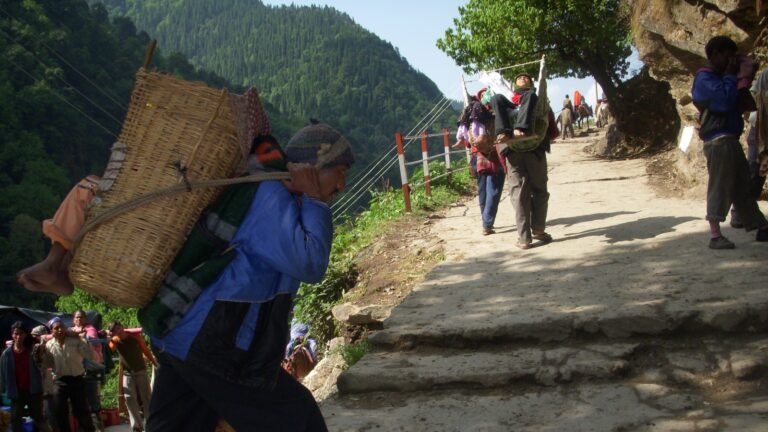
| Janki Chatti → Yamunotri | 5–6 km trek | 3–4 hrs up, 2 hrs down | Steep stone steps; pony and palki from the prepaid counter |
| Janki Chatti → Uttarkashi | ~123 km | 4–5 hrs | Down the Yamuna, then along the Bhagirathi; good surface |
| Uttarkashi → Gangotri | 100 km | 3.5–4.5 hrs | Climbs through Dharali and Harsil; the prettiest leg of the circuit |
| Gangotri → Guptkashi | ~310 km | 10–11 hrs | Long. Back through Uttarkashi, then Tehri and Rudraprayag |
| Guptkashi → Sonprayag | ~30 km | 1 hr | Descends to the Mandakini; shared jeeps take over at Sonprayag |
| Sonprayag → Gaurikund | 5 km | 20–30 min by shared jeep | Private vehicles stop here; the queue builds from 5:00 AM |
| Gaurikund → Kedarnath | 16 km trek | 6–8 hrs up, 4–5 hrs down | Paved path, 1,600 m of climb, exposed after Lincholi |
| Sonprayag → Badrinath | ~230 km | 9–10 hrs | Via Rudraprayag, Karnaprayag and Joshimath; the longest single day |
| Badrinath → Haridwar | ~319 km | 10–12 hrs | Down the Alaknanda through the five prayags, then highway |
The legs add up to about 1,350 km of road plus 22 km of trekking. Published totals run from 1,100 km to 1,600 km because they start from different towns, count the Uttarkashi out-and-back differently, or quote a Delhi start. The table above is the number to plan with.
Timing rule: hill driving is restricted after dark on the Char Dham routes and the checkposts enforce it. Plan every leg to finish before 6:00 PM or you will sleep at a barrier. This is why the plan below starts at 5:00 AM most mornings.
The 9-day Char Dham itinerary, day by day
This is the plan to copy. One darshan a day, one night at Kedarnath, and no leg that starts after 8:00 AM.
| Day | Route | Distance and time | What happens | Sleep at |
|---|---|---|---|---|
| Day 1 | Haridwar → Barkot | 190 km, 7–8 hrs | Leave by 6:00 AM. Register online first and carry printed e-passes. Early dinner in Barkot | Barkot (1,220 m) |
| Day 2 | Barkot → Janki Chatti → Yamunotri → Uttarkashi | 45 km + 6 km trek + 123 km, about 12 hrs | Trek from 6:00 AM, darshan, back at Janki Chatti by 1:00 PM, drive to Uttarkashi. The hardest day | Uttarkashi (1,158 m) |
| Day 3 | Uttarkashi → Gangotri → Uttarkashi | 100 km each way, 8–9 hrs round trip | Leave 5:30 AM for the 6:00 AM kapat opening. Darshan, Bhagirath Shila, Harsil stop on the way down | Uttarkashi or Harsil |
| Day 4 | Uttarkashi → Guptkashi | ~250 km, 8–9 hrs | Transfer day through Tehri and Rudraprayag. No darshan. Reach Guptkashi by 5:00 PM | Guptkashi (1,319 m) |
| Day 5 | Guptkashi → Sonprayag → Gaurikund → Kedarnath | 35 km drive + 16 km trek, 9–10 hrs | Jeep queue at Sonprayag from 5:00 AM, biometric check, trek from 7:00 AM. Evening aarti | Kedarnath (3,583 m) |
| Day 6 | Kedarnath → Gaurikund → Guptkashi | 16 km trek + 35 km drive | Pre-dawn darshan at 4:30 AM, descend from 7:00 AM, drive down by afternoon. Rest | Guptkashi or Rudraprayag |
| Day 7 | Guptkashi → Joshimath → Badrinath | ~230 km, 9–10 hrs | Leave 5:00 AM. Tapt Kund and the evening aarti. Narsingh temple at Joshimath if time allows | Badrinath (3,133 m) |
| Day 8 | Badrinath → Rudraprayag | ~160 km, 7–8 hrs | Morning darshan, Mana village (3 km), then the drive down through the prayags | Rudraprayag (895 m) |
| Day 9 | Rudraprayag → Haridwar | ~160 km, 5–6 hrs | Optional Devprayag stop at the confluence. Haridwar by afternoon, Ganga aarti if you have the evening | Home |
Two days carry the risk: day 2 is 12 hours of trek and drive, and day 7 is the longest pure driving day on the circuit. If your group cannot do both, swap the Kedarnath night for a Guptkashi night and fly in from Sirsi.
The 11-day itinerary for families and seniors
The two extra days are not padding. They remove the 12-hour day, add a rest night at altitude before Kedarnath, and give Badrinath a full day instead of an aarti and a hurried morning.
| Day | Route | Change from the 9-day plan | Sleep at |
|---|---|---|---|
| Day 1 | Haridwar → Barkot | Same as the 9-day plan | Barkot |
| Day 2 | Barkot → Janki Chatti → Yamunotri → Barkot | No drive to Uttarkashi after the trek — the biggest comfort gain on the trip | Barkot |
| Day 3 | Barkot → Uttarkashi | 123 km only; Vishwanath temple and the market in the afternoon | Uttarkashi |
| Day 4 | Uttarkashi → Gangotri → Harsil | Darshan without the return drive; Harsil is 25 km back | Harsil (2,620 m) |
| Day 5 | Harsil → Guptkashi | The long transfer, but starting 25 km further along | Guptkashi |
| Day 6 | Guptkashi → Kedarnath | Same trek, pony or palki booked at the prepaid counter | Kedarnath |
| Day 7 | Kedarnath → Guptkashi | Descend slowly; the afternoon is free | Guptkashi |
| Day 8 | Guptkashi → Badrinath | Arrive for the evening aarti with a full night ahead | Badrinath |
| Day 9 | Badrinath and Mana | Full day: darshan, Mana village, Vyas Gufa, optional Auli ropeway detour | Badrinath |
| Day 10 | Badrinath → Rudraprayag | Same drive, later start | Rudraprayag |
| Day 11 | Rudraprayag → Haridwar | Same as the 9-day plan | Home |
If someone in the group cannot trek, build on this plan: Yamunotri by pony or palki, Kedarnath by helicopter from Sirsi or Phata, Badrinath by road to the gate. That removes both treks and still visits all four shrines.
The 7-day version — and what it costs you
Seven days is achievable, and it is what most packaged tours sell. The trick is the helicopter at Kedarnath: the alternative is 16 km up and 16 km down inside one day, at altitude, after four days of driving.
| Day | Route | How it differs |
|---|---|---|
| Day 1 | Haridwar → Barkot | Same as the 9-day plan |
| Day 2 | Yamunotri → Uttarkashi | Same, but the trek starts at 6:00 AM sharp |
| Day 3 | Gangotri → Guptkashi | Gangotri darshan at 6:00 AM, then the 310 km transfer in one push. A 13-hour day |
| Day 4 | Sirsi or Phata → Kedarnath → Guptkashi | Return helicopter flight and darshan, back by afternoon. Weight limit 80 kg per passenger |
| Day 5 | Guptkashi → Badrinath | The long 230 km drive; evening aarti |
| Day 6 | Badrinath → Rudraprayag | Morning darshan, then the drive down |
| Day 7 | Rudraprayag → Haridwar | Home by afternoon |
What you give up is the Kedarnath overnight — the evening aarti in the cold and the 4:30 AM darshan before the day-trippers arrive. You also lose every buffer: one landslide on day 3 and Gangotri or Kedarnath goes, and a weather cancellation at the helipad cannot be recovered inside seven days.
Where you sleep each night
Base towns decide how good the trip feels. Pick the wrong one and you add an hour of driving to a day that has none to spare.
| Base | Altitude | Why stop here | Watch out for |
|---|---|---|---|
| Barkot | 1,220 m | The only real market and ATM before the Yamunotri trek, 45 km from Janki Chatti | Basic hotels; book ahead in May and June |
| Uttarkashi | 1,158 m | Gangotri base with hospitals, ATMs and the Vishwanath temple | 100 km each way to Gangotri, so an early start is compulsory |
| Harsil | 2,620 m | 25 km short of Gangotri; deodar valley and the best light on the Bhagirathi | Few rooms, cold nights, no ATMs |
| Guptkashi | 1,319 m | Kedarnath base with real hotels, hot water and restaurants | 35 km from Sonprayag, and the jeep queue starts before light |
| Kedarnath | 3,583 m | Evening aarti and pre-dawn darshan without a 4:00 AM climb | Basic GMVN and camp beds, cold, booked weeks ahead |
| Badrinath | 3,133 m | Temple town; ten minutes on foot from your room to darshan | Expensive in season; Joshimath is 45 km back and cheaper |
| Rudraprayag | 895 m | Splits the 319 km Badrinath–Haridwar run into two comfortable days | Little to do in the evening |
What changes in 2027: dates, registration and booking windows
The itinerary is stable; the calendar is not. Two 2027 opening dates are calculable from the panchang, and two will not be official until they are read out at a ceremony.
| When | What is confirmed | What it means for your booking |
|---|---|---|
| 11 February 2027 | Badrinath’s opening date, announced on Vasant Panchami at Narendra Nagar | Book refundable hotels; still no non-refundable heli |
| 6 March 2027 | Kedarnath’s opening date, announced on Maha Shivratri at Ukhimath | All four dates are effectively known — lock the itinerary |
| March–April 2027 | Registration opens on the Uttarakhand Tourism portal | Register free yourself; the portal is not open yet |
| 9 May 2027 | Yamunotri and Gangotri open on Akshaya Tritiya | First day of the season, and the heaviest crowds of the year |
Registration is compulsory, free and separate from the temple dates. The e-pass comes from registrationandtouristcare.uk.gov.in, the Tourist Care Uttarakhand app, WhatsApp, or counters in Haridwar and Rishikesh. For Kedarnath the QR pass and biometrics are checked at Sonprayag, and people without one are turned back. Every date above, with its announcement day, is tracked on the Char Dham kapat dates page.
Where itineraries break: three realistic failure points
Almost every ruined Char Dham trip fails in the same three places, and none of them is the temple.
1. The Sonprayag morning. Everyone in Guptkashi drives down at the same hour. The shared-jeep queue to Gaurikund can take 60 to 90 minutes in peak season, and the biometric check adds more. Reach Sonprayag by 5:00 AM, or accept that the trek starts at 8:00 AM and ends in afternoon weather.
2. The Gangotri–Guptkashi transfer. At 310 km this is the leg that decides whether a nine-day plan survives. Tours that route it as “Gangotri darshan and drive to Guptkashi the same day” are selling a 13-hour day. If anyone in your group is over 60, sleep at Harsil and split it.
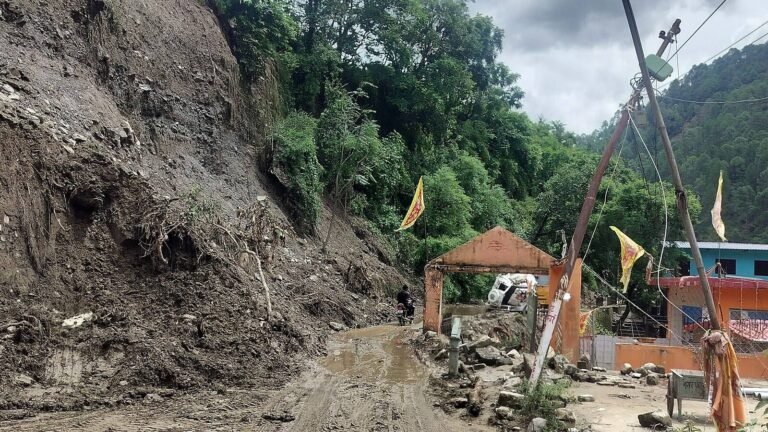
3. The monsoon. July and August close roads, not just delay them. One cloudburst on the Rudraprayag–Joshimath stretch can cost 24 to 48 hours, which is why the 11-day plan exists and why no serious operator runs a seven-day circuit in August.
A buffer day is cheap insurance: one extra night in Rudraprayag costs less than a rebooked helicopter ticket, and it turns “we missed Badrinath” into a footnote.
Plan each dham before you plan the loop
The itinerary is only as good as the detail inside each stop. The Yamunotri guide covers the 6 km climb from Janki Chatti and the prepaid pony rates, the Gangotri guide has the Harsil stays and the Gaumukh trek, the Kedarnath guide breaks the 16 km trail into stages with helicopter fares from Sirsi, Phata and Guptkashi, and the Badrinath guide covers Mana village, Tapt Kund and the drive up the Alaknanda.
If you want the driving, stays and helicopter slots handled together, send us your dates and group size and we will say honestly which of the three plans fits — including when the answer is “not seven days”.
Frequently asked questions
How many days are enough for the Char Dham Yatra?
Nine days and eight nights from Haridwar by road, with a night at Kedarnath. Seven days works only with a helicopter at Kedarnath, and eleven days is the comfortable version for families and pilgrims over 60.
Can I complete the Char Dham Yatra in 7 days?
Yes, with a return helicopter flight from Sirsi or Phata to Kedarnath. Without it you would be trekking 32 km up and down in a day at 3,500 m. Even with the helicopter there is no buffer, so one landslide or weather cancellation costs a dham.
What is the total distance of the Char Dham Yatra?
About 1,350 km of road from Haridwar back to Haridwar on the standard west-to-east route, plus 22 km of trekking — 6 km at Yamunotri and 16 km at Kedarnath. Quoted figures of 1,100 km to 1,600 km differ because they start from different towns.
Should I start from Haridwar or Rishikesh?
Haridwar, for almost everyone: better trains, and a place to leave luggage. Rishikesh suits people flying into Dehradun and heading straight up, since it saves an hour on the first morning.
Do the four dhams have to be visited in order?
No, but Yamunotri → Gangotri → Kedarnath → Badrinath is traditional and the shortest route, because it moves west to east in one pass. The reverse order is sold to avoid crowds, at the cost of reaching the highest shrine before acclimatising.
Can I do the Char Dham without trekking?
Almost. Yamunotri has pony, palki and kandi from the prepaid counter at Janki Chatti, and Kedarnath has a helicopter from Sirsi, Phata or Guptkashi. Badrinath and Gangotri are roadside temples, a short walk from the car park.
Is the Char Dham Yatra suitable for senior citizens?
Yes, on the eleven-day plan with pony or palki at Yamunotri and a helicopter at Kedarnath. The two hard parts are the 12-hour day from Barkot and the altitude at Kedarnath, and both are removable. Get a doctor’s clearance if there is any heart history.
When should I start booking for 2027?
Refundable hotels in Barkot, Guptkashi and Badrinath now; registration when the portal opens in March or April 2027; helicopter tickets only after the IRCTC window opens, which follows the 6 March date announcement.
What is the best month for the Char Dham Yatra?
Late May to mid-June for weather, and the second half of September to early November for fewer crowds and clear skies. July and August carry real landslide risk, and the 2027 season opens on 9 May — three weeks later than 2026.
Can I do Char Dham in 5 days by helicopter?
Yes, and it is a different trip: darshan at all four shrines, almost no time in the valleys, no Kedarnath overnight, and a much higher cost per day. It suits pilgrims with mobility limits or very little leave.
The short version
Nine days, Haridwar start, Yamunotri first, one night at Kedarnath, Badrinath last, one buffer day if you can afford it. Everything else — hotels, helicopter, pony — can be decided after 6 March 2027, when Kedarnath’s date is read out at Ukhimath.
Distances are road distances for a private cab in dry weather and vary with diversions; fares and dates are verified as of 2 November 2026. The 2027 temple dates remain provisional until each committee’s announcement.
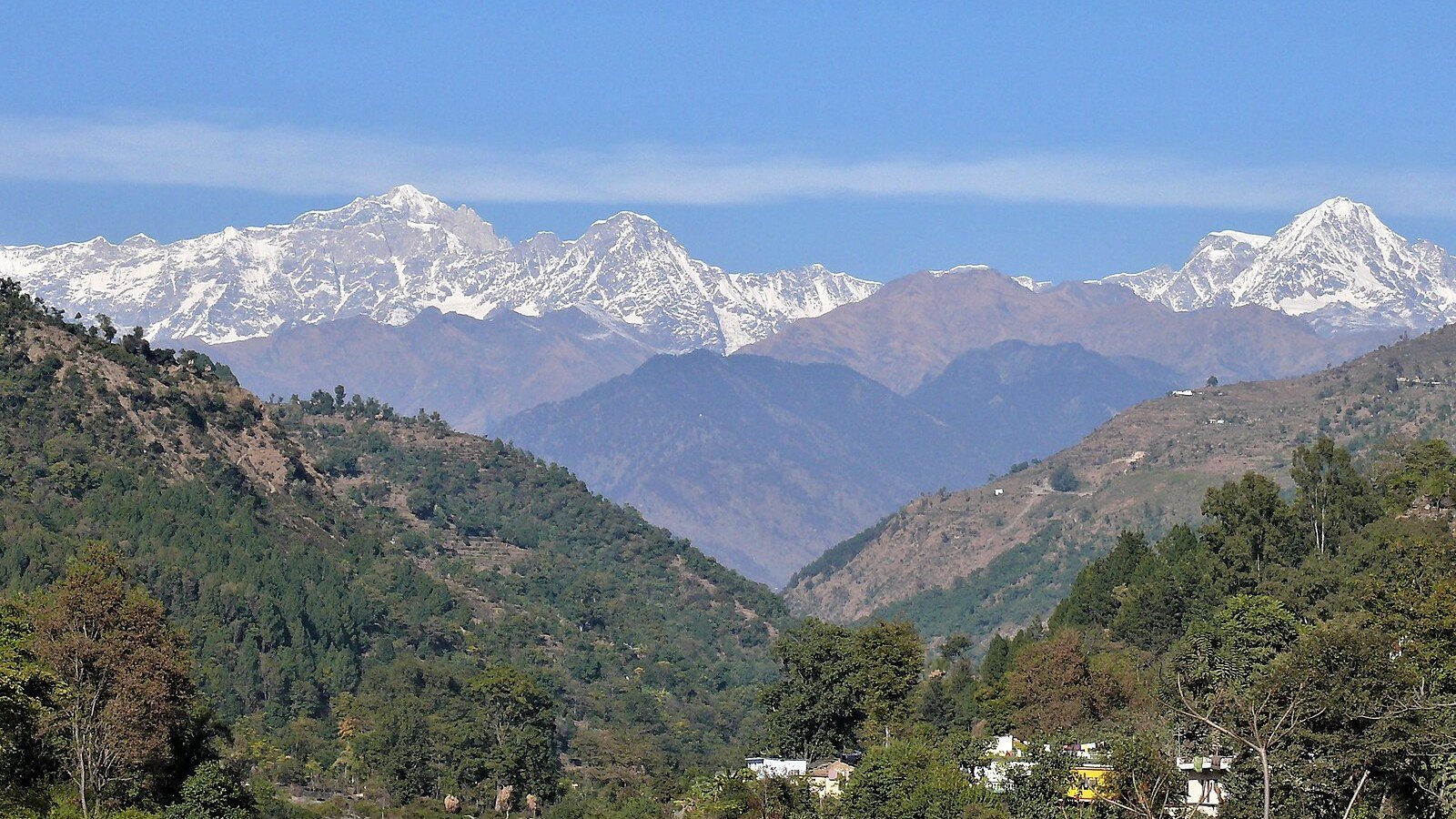
Header photo: the Char Dham road between Rudraprayag and Ukhimath. Image by Goutam1962, CC BY-SA 4.0, via Wikimedia Commons.

1 comment on “Char Dham Yatra 2027: How Many Days, Route & Itinerary”