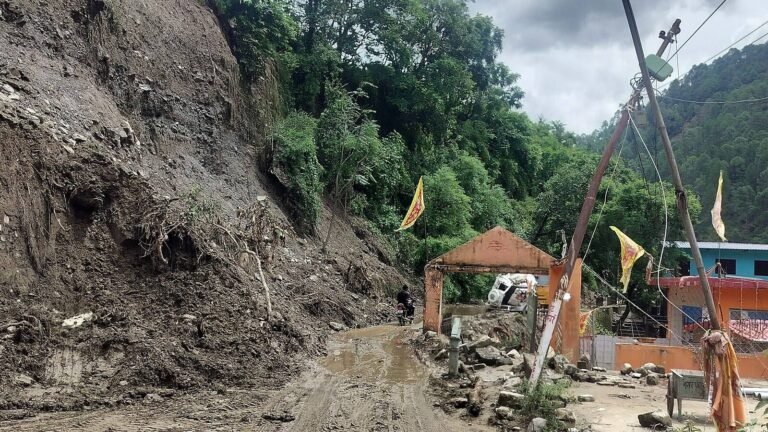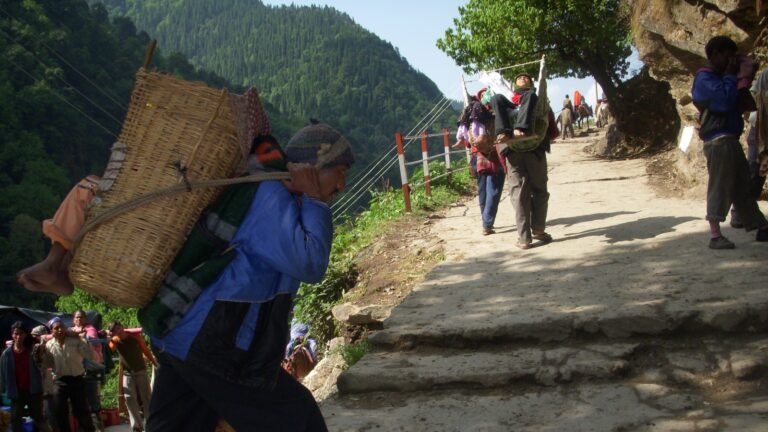
The best time for the Char Dham Yatra in 2027 is the second half of September and the first three weeks of October, with late May to mid-June a close second on weather and a distant second on comfort. The season opens on 9 May 2027 at Yamunotri and Gangotri — three weeks later than 2026 — and it will close earlier too, because Vijayadashami falls on 9 October 2027 and the closing dates are read out that day. Between the two sits a monsoon that suspended the yatra three times in 2026, twice for two days at a stretch.
Short answer: if you can choose your dates, go between 20 September and 20 October. If school holidays decide it, go in the first half of June and accept the queues. If you are going in July or August, add a buffer day and treat the itinerary as a proposal rather than a plan.
Last verified: 7 November 2026 — against IMD’s 2026 monsoon onset and withdrawal bulletins, the Garhwal Commissioner’s suspension orders of 20 July, 28–29 July and 26–27 September 2026, the state tourism department’s footfall series, the temple committees’ closing announcement of 20 October 2026, IRCTC HeliYatra, and this site’s kapat dates tracker. Every 2027 date that is a calculation rather than an announcement is labelled as one.
The windows, ranked
Four things decide a Char Dham window: whether the temples are open, what the sky is doing, how many other people had the same idea, and whether the road stays on the hill. Only one stretch of the year is good on all four.
| Window | Weather | Crowds | Road risk | Verdict |
|---|---|---|---|---|
| Late May – mid June | Clearest skies of the season; snow retreating above the treeline | Heaviest of the year | Low | Best weather in the worst crowds — book beds and helicopters 3–4 months ahead |
| Mid – late June | Hot in the valleys, humid, afternoon cloud building | High, easing week by week | Rising as the monsoon nears | The last comfortable window before the rain; the best compromise if May is sold out |
| July – August | Monsoon: rain, low cloud, leeches, 15–20°C colder than the plains | Lowest of the open season | Highest — landslides, and yatra suspensions | Only if these are the dates you have. A different trip, not a worse one |
| September | Wet and unpredictable early; clearing in the last ten days | Low | High early, dropping sharply after the 20th | Go after the 20th and it is the best-value window of the year |
| October | Clearest skies, cold nights, first snow on the high passes | Moderate, with a surge after the closing dates are announced | Low | The best all-round window, and the shortest — closings come at the end of it |
| 1 – 10 November | Very cold mornings, clear days | Low, then a final rush | Low, but services start shutting | Last chance, and only to the shrines still open on your dates |
| Mid-November – April | Snow above 2,500 m; most roads to the temples under it | None at the shrines | Passes close | The temples are shut; the deities are worshipped at their winter seats |
How the 2027 season is shaped
The 2027 calendar is unusual in both directions. The opening is late — Akshaya Tritiya, the tithi that fixes Yamunotri and Gangotri, falls on 9 May, against 19 April in 2026. The closing announcement is early: Vijayadashami, when the Badrinath-Kedarnath Temple Committee declares the kapat, falls on 9 October, eleven days earlier than the 20 October announcement of 2026. A season that starts three weeks late and announces its end eleven days early is a season with a compressed middle, and that is the single most useful planning fact for 2027.
Kedarnath and Badrinath do not open on Akshaya Tritiya; their dates are read out separately, at Ukhimath on Maha Shivratri and at Narendra Nagar on Basant Panchami. But in 2025 and 2026 both opened two to four days after the two Devi shrines, and there is no reason to expect 2027 to break the pattern. With Akshaya Tritiya on 9 May, mid-May is the realistic expectation for all four.
| Event | 2027 date | How certain |
|---|---|---|
| Yamunotri and Gangotri open | 9 May 2027 | Fixed by the panchang (Akshaya Tritiya); the temple committees confirm the muhurat nearer the time |
| Kedarnath opens | Read out on 6 March 2027 at Ukhimath | Announcement date is fixed; the opening itself is expected in mid-May, a few days after 9 May |
| Badrinath opens | Read out on 11 February 2027 at Narendra Nagar | Announcement date is fixed; opening expected in mid-May |
| Registration opens | Early March 2027 | Pattern, not announcement — the portal opened in the first week of March in 2026 |
| Closing dates declared | 9 October 2027 (Vijayadashami) | Fixed by the panchang; the dates themselves are announced on the day |
| Gangotri closes | Around 30 October (Annakut) | Expected — in 2026 Gangotri closed on 10 November, the day after Annakut; confirmed on 9 October |
| Yamunotri and Kedarnath close | Around 31 October (Bhai Dooj) | Expected — in 2026 both closed on 11 November, within a day of Bhai Dooj; confirmed on 9 October |
| Badrinath closes | First half of November | Declared on 9 October; Badrinath is always the last to shut, and closed on 16 November in 2026 |
Read that table as two tiers. The Akshaya Tritiya and Vijayadashami dates are calendar arithmetic. The kapat dates are ceremonies — nobody, including the temple committees, has announced them yet. Any website quoting a confirmed 2027 closing date in November 2026 is guessing, and the same goes for a “confirmed” Kedarnath opening.
Month by month: weather, crowds and roads
The rows below are what the month actually feels like on the circuit, not what the calendar says. “Crowds” means the queue at Kedarnath and the price of a room in Guptkashi; “road risk” means the chance that a leg takes an extra three hours or does not happen.
| Month | What the weather does | Crowds | Road risk | Verdict |
|---|---|---|---|---|
| April | Warm and dry in the valleys; snow still deep above 3,000 m | None — the temples are shut | Low on the highway, high on the high passes | Only the winter seats are open: Ukhimath, Joshimath, Kharsali and Mukhba |
| Early May | Opening fortnight: sun, sudden showers, snow patches on the Kedarnath trail above Lincholi | Very heavy — the opening is an event in itself | Moderate; the road crews are still clearing winter debris | Atmospheric and slow. Only worth it if you are there for the opening, not for the darshan |
| Late May | Settled, clear, warm days, cold nights | Peak | Low | The best weather you will get, at the worst prices |
| June | Hot below 2,000 m, pleasant at the temples, cloud building in the afternoons | Peak to mid-June, falling after | Low until the last week | The best month for a family that can only travel in school holidays |
| July | Monsoon arrives; rain most days, cloud sitting on the valleys | Low — a fraction of May’s traffic | High; expect at least one halt | Cheap, green, empty — and the month most likely to suspend the yatra |
| August | The wettest weeks of the year | Low | Highest | Not a month to plan a first Char Dham on |
| September | Still wet to mid-month, then the monsoon withdraws and the air clears | Low, rising in the last ten days | High early, low late | The 20th onwards is the best combination of weather, price and peace |
| October | Clear, dry, cold nights; the first snow on the high ridges | Moderate, with a spike after 9 October | Low | The best all-round month. Book early — it is now the worst-kept secret on the circuit |
| Early November | Clear and very cold at dawn; ice on the trail before sunrise | Low, with a final rush before each kapat | Low, but helicopters and ponies stop first | Good for Badrinath and Gangotri, impossible for the shrines that have already shut |
| Mid-November onwards | Snow closes the approaches; sub-zero nights | None | Passes closed | Darshan moves to the winter seats until the doors open again in May |
What the monsoon actually does
The Char Dham Yatra does not close for the monsoon. It suspends, sometimes at a few hours’ notice, and then resumes. That distinction matters more than any average rainfall figure, because it decides whether a July trip is a gamble or an impossibility.
In 2026 the monsoon reached most of Uttarakhand on 30 June — about ten days later than the normal onset of 20–25 June — and IMD cleared the entire state of it around 3 October. Between those two dates the yatra was suspended three times.
| Dates in 2026 | What happened | Why | What it means for a 2027 plan |
|---|---|---|---|
| 20 July | Yatra halted; pilgrims already on the routes held at shelters and not allowed onward | Red and orange alerts, landslides at several points on all four routes | A halt can start on any morning. Keep one unbooked day per week on the road |
| 28–29 July | Two-day suspension of the whole yatra | Landslides, including a block on the Kedarnath highway at Munkatiya, plus a heavy-rain alert | Clearing a slide takes hours to days; the queue behind it takes longer |
| 26–27 September | Two-day suspension, ordered by the Garhwal Commissioner | Red alert for five districts and orange for five others — in what looked like the end of the monsoon | Late September is not automatically safe. Check the alert before you book the 20th |
Those are the formal suspensions. The informal ones are more frequent: a single slide on the Rudraprayag–Joshimath stretch can hold traffic for six to twenty-four hours without any order being issued, and in July and August that happens most weeks. This is why the eleven-day itinerary exists and why no serious operator runs a seven-day circuit in August.
What the rain gives you in exchange is real. The valleys are at their greenest, the crowds are a fraction of May’s, published tour rates drop by roughly a fifth, and the temples are the same temples. If July or August are your only dates, the trip works — with a buffer day, morning driving rather than evening, and a plan that can lose one dham without collapsing.
Crowds: where the 58 lakh pilgrims actually go
2026 was the biggest Char Dham year on record, and the shape of that record is the most useful crowd forecast available for 2027. The state’s series runs 44.37 lakh in 2022, 54.36 lakh in 2023, 46.17 lakh in 2024 and 48.32 lakh in 2025, reaching 58,40,451 by 27 October 2026, with the Chief Minister putting the full season at 60–61 lakh. The counts include Hemkund Sahib, which shares the Govind Ghat road with Badrinath.
The distribution inside a season is more lopsided than the annual totals suggest. By 19 July 2026 — the ninety-second day of a 212-day season — the four shrines had already logged 44,84,429 pilgrims. That is 77 per cent of the final total inside the first 43 per cent of the calendar, and it means the post-monsoon stretch, which everyone recommends, carries less than a quarter of the traffic.
| Dham | Pilgrims by 19 July 2026 | What it tells you |
|---|---|---|
| Badrinath | 15,21,381 | The busiest shrine of the four — and the easiest, because the road reaches the door |
| Kedarnath | 14,09,668 | Where the queue and the trek collide; the 16 km trail is the bottleneck, not the temple |
| Gangotri | 6,99,387 | Half of Badrinath’s traffic on a drive-in shrine — the best darshan-to-effort ratio |
| Yamunotri | 6,46,235 | Fewest of the four; the 5–6 km climb filters the crowd |
| Hemkund Sahib (shared road) | 2,07,758 | Why the Govind Ghat–Ghangaria road feels busier than the Badrinath figures imply |
Practically: in the last week of May and the first two of June, expect the Sonprayag jeep queue to start before 5:00 AM and a Kedarnath darshan queue measured in hours rather than minutes. In the second half of September, the same queue is measured in tens of minutes. The temple is identical; the day is not.
Road risk, stretch by stretch
Every leg of the circuit fails differently. Knowing which one is likely to cost you a day is how you decide where the buffer goes.
| Stretch | What closes it | Worst months | Buffer to carry |
|---|---|---|---|
| Rishikesh – Devprayag – Rudraprayag | Slips and rockfall where the road hugs the Ganga gorge | July – August | Half a day |
| Rudraprayag – Sonprayag – Gaurikund (NH-107) | The most slide-prone stretch of the circuit; debris above the Mandakini | July – August, and again after early snow | A full day |
| Rudraprayag – Joshimath | A hundred kilometres cut into the Alaknanda slope, with a dozen active slide zones | July – August | A full day |
| Joshimath – Badrinath | The last 45 km: rockfall, and the first heavy snow of November | July – August; late October | Half a day |
| Uttarkashi – Gangotri | Rockfall in the Bhagirathi valley, often at the narrowest points | July – August | Half a day |
| Barkot – Janki Chatti | Single-lane road above the Yamuna; one slide stops both directions | July – August | Two to four hours |
Two rules follow from the table. Drive the high, exposed stretches in the morning, because afternoon cloud is what turns a shower into a slide. And never book a non-refundable helicopter seat for the morning after a long road day — the two failure modes compound.
The helicopter season is shorter than the temple season
Flying changes the crowd question entirely, and not only because of the price. Chartered circuits run from late April to about 25 June, stop for the monsoon, restart in mid-September and wind up in the first week of November — the operators do not fly the circuit through the rain. The IRCTC Kedarnath shuttle keeps going longer, but it stopped on 9 November 2026, two days before the temple closed, because the aircraft leave before the kapat.
2026 also produced a warning that has nothing to do with weather. From 2 November, charter operators suspended the whole circuit in a stand-off with UCADA over a new rule requiring two pilots per aircraft; scores of pilgrims were left holding confirmed bookings. The state said the co-pilot rule would be folded into the 2027 operator registration instead. Assume the 2027 charter market is tighter, later to open and more expensive than the 2026 one, and keep the refund terms in writing.
Which window suits which traveller
| If you are… | Go in | Because | Avoid |
|---|---|---|---|
| A family tied to school holidays | The first half of June | Settled weather, all four dhams open, and the holiday calendar leaves you no real alternative | The opening week of May, when the roads are still being cleared |
| Over 60, or travelling with someone who is | Second half of September, or the first half of October | Short queues, cool but not freezing days, and a calm pace at 3,500 m | July – August: the altitude is the same, the ambulances are busier |
| Flying Kedarnath by helicopter | Late May – 20 June, or 20 September – 20 October | The flying window is narrower than the temple season and closes in the monsoon | The last week of the season, when aircraft leave before the kapat |
| On a tight budget | Late September | Post-monsoon rates are still low while the weather has already turned | The opening fortnight, when demand outruns supply |
| A photographer | Mid-October | Clear air, snow on the ridges, low sun, and the fewest people in the frame | Late June: haze and flat midday light |
| Restricted to July or August | The last week of August | The monsoon is weakening, the crowds have not returned, and the valleys are at their best | Any seven-day plan — you need the buffer |
When to book what
Char Dham is a supply-constrained trip for about eight weeks a year and an oversupplied one for the rest. The booking calendar follows from that.
| What | When to book | Why then |
|---|---|---|
| Hotel beds in Guptkashi, Joshimath, Badrinath and Harsil for May–June | December to February | The good rooms in the four base towns go first, and they are a small number of rooms |
| Registration on the official portal | From early March, as soon as it opens | It is free and compulsory, and the QR e-pass is what the Sonprayag check reads |
| Kedarnath helicopter shuttle seats | The hour the IRCTC window opens, likely in the third week of April | Fares rise in bands as seats sell; nothing on any other site is an official ticket |
| Chartered circuit seats | Now, or as soon as the operator opens the season | May and June are sold before the season starts, and the 2027 fleet may be smaller |
| A September or October trip | July to August | The shoulder season is no longer a secret; October beds now sell like June beds |
| Pony, palki and porter at Janki Chatti or Gaurikund | On the day, at the counter | No advance booking exists; arrive early, and agree the fare before you start |
Winter darshan, after the doors close
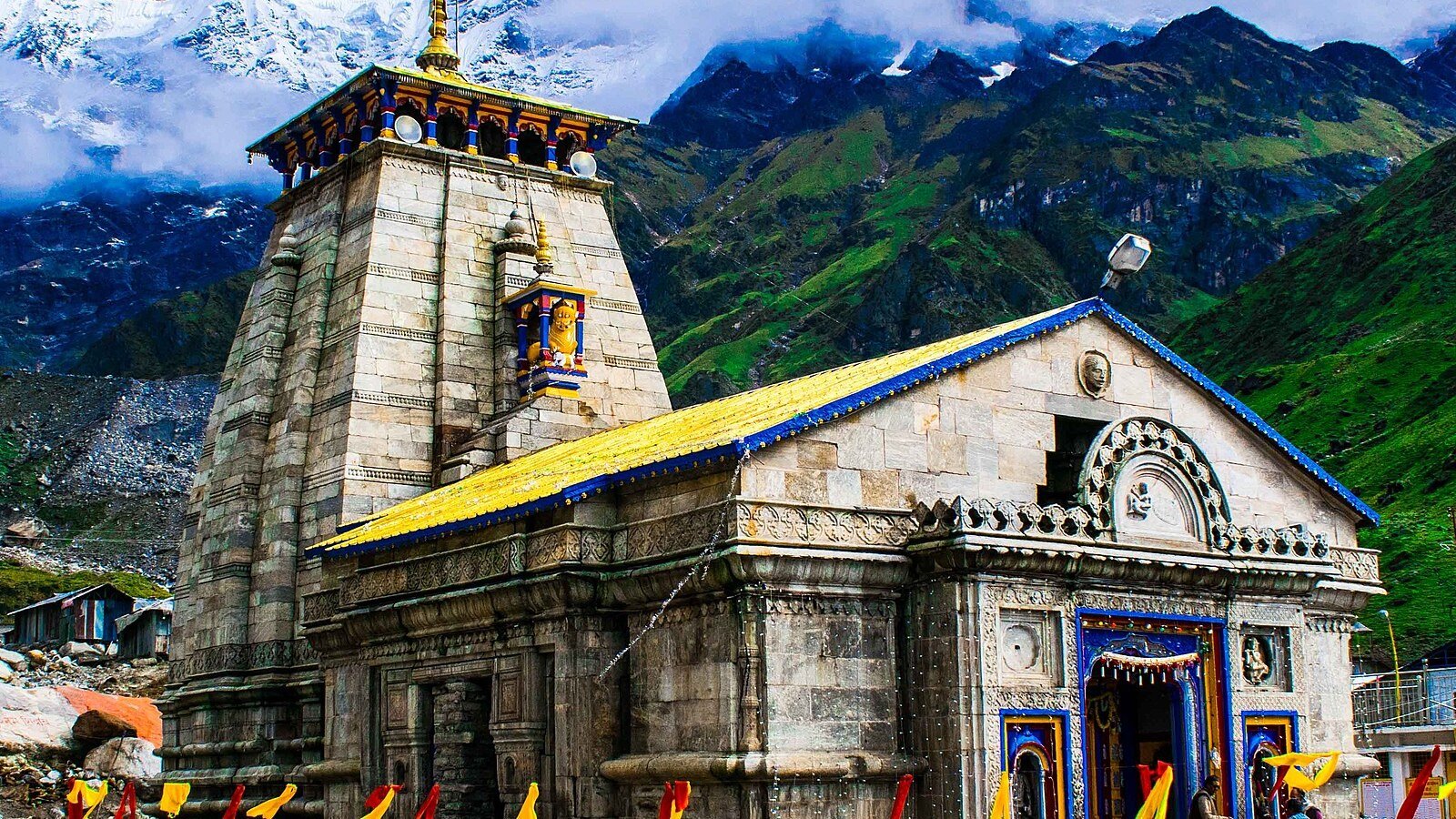
None of the four deities leaves the circuit for the winter. Gangotri’s goddess moves to Mukhba, Yamunotri’s to Kharsali, Kedarnath’s to the Omkareshwar temple at Ukhimath and Badrinath’s to the Narsingh temple at Joshimath, and darshan continues at all four seats from November to April. Ukhimath and Joshimath are on the highway and reachable all winter; Mukhba and Kharsali are small villages that need a clear road and a local driver. If the only week you have is in January, this is the trip — not a consolation prize, and far quieter than the season.
If you are planning the full circuit rather than a single dham, the day-by-day shape is on the itinerary page, and the budget that goes with each plan is on the cost page. For the dates themselves, the 2027 hub tracks every announcement as it is made.
Frequently asked questions
What is the best month for the Char Dham Yatra in 2027?
October, and specifically the first three weeks of it: clear skies, low road risk and moderate crowds. If October is not possible, the second half of September is nearly as good and cheaper, and late May to mid-June has the best weather of the year with the worst queues.
When does the 2027 Char Dham Yatra start and end?
Yamunotri and Gangotri open on 9 May 2027, Akshaya Tritiya. Kedarnath’s date is read out on 6 March and Badrinath’s on 11 February, both expected in mid-May. The closing dates are declared on Vijayadashami, 9 October 2027, and will most likely fall between 30 October and the first half of November.
Is the Char Dham Yatra closed during the monsoon?
No. The temples stay open from May to November and pilgrims travel through the rain. What happens is suspension: in 2026 the yatra was halted on 20 July, 28–29 July and 26–27 September. Each suspension lasted a day or two and the yatra resumed once the roads were cleared.
Is September or October better for Char Dham?
October, on weather and road risk. September is cheaper and emptier, but the first three weeks can still deliver a red alert — the yatra was suspended on 26–27 September 2026. From about 20 September the odds flip in your favour, which is why late September is the value window.
Which month has the fewest pilgrims?
August, followed by July. But the drop is smaller than the crowding headlines suggest: 77 per cent of 2026’s pilgrims had already come by 19 July. If you want empty temples with good roads, the winter seats — Ukhimath, Joshimath, Mukhba and Kharsali — are the real answer.
How cold is Kedarnath in May?
Cold at both ends of the day, at 3,583 m. Days are comfortable in sun, but dawn and after sunset need a down jacket, and the night temperature sits in single digits even in June. Snow can still lie on the trail above Lincholi in the opening fortnight.
Can I visit Badrinath after the other three close?
Yes. Badrinath is always the last to shut — 16 November in 2026, five days after Kedarnath and Yamunotri closed on 11 November and six after Gangotri on 10 November. For a week or so each November it is the only one of the four still open, and the road up the Alaknanda is quiet.
Do helicopters fly during the monsoon?
Not on the chartered circuit. Operators stop around 25 June and restart in mid-September. The IRCTC Kedarnath shuttle flies longer into the season but is cancelled on weather days, and it stops a few days before the kapat — 9 November in 2026.
What happens if the yatra is suspended while I am on it?
You are held where you are, usually at a hotel or a designated shelter, and onward movement is stopped until the roads are inspected. Carry one unbooked day, keep your registration and hotel receipts, and follow the district administration’s advisories rather than what a hotel or driver tells you.
Is November too late for the Char Dham Yatra?
For all four, yes after about 10 November. For Badrinath, no — it stays open into the middle of the month. The first ten days of November are perfectly workable if you accept cold mornings, early sunsets and the fact that helicopters and ponies stop before the temples do.
Dates and suspension records are the 2026 verified figures; the 2027 kapat dates are panchang-derived expectations until the temple committees announce them on 9 October 2027. Seasonal numbers move — check the kapat tracker and IMD’s district alerts in the week you travel.